Jingshan Temple
Introduction
Nestled on the slopes of Jingshan Mountain in Hangzhou, Zhejiang province, China, Jingshan Temple is an ancient Buddhist sanctuary steeped in history and cultural significance. Dating back to the Tang Dynasty (618–907), this temple has served as a spiritual haven and a center for tea culture for over 1,200 years. Surrounded by lush greenery and cascading tea terraces, Jingshan Temple provides a serene escape for visitors and a vital site for cultural exchange. The temple is particularly celebrated for its connection to Jingshan tea and the exquisite Jingshan Tea Ceremony, a recognized national treasure and a UNESCO-designated Intangible Cultural Heritage of Humanity.
History
Jingshan Temple's story begins during the Tang Dynasty, when Great Master Faqing founded the temple and planted tea bushes as offerings to Buddha. Over time, the temple evolved into a hub for Buddhist teachings and the art of tea. Monks diligently cultivated and refined tea traditions, leading to the development of the Jingshan Tea Ceremony during the Song Dynasty (960–1279). This sophisticated ritual seamlessly blended Zen Budhism with the preparation and enjoyment of tea, transforming it into a form of meditation and a path to enlightenment. The ceremony drew in scholars and government officials who sought wisdom alongside the monks.
Jingshan Temple's tea culture also had a profound impact on the world. Japanese monks who studied at the temple during the Tang and Song dynasties carried tea-making techniques and rituals back to Japan, laying the groundwork for the Japanese tea ceremony, known as Sado. Although the temple's prominence waned in the 14th century, efforts to revive Jingshan tea and its associated rituals began in the mid-20th century. This resurgence led to the recognition of the Jingshan Tea Ceremony as an intangible cultural heritage in 2011.
Architecture
The architecture of Jingshan Temple embodies the traditional Chinese Buddhist style, blending seamlessly with the natural beauty of Jingshan Mountain. The temple complex features several key structures, each contributing to its spiritual and cultural atmosphere.
Main Hall: As the heart of Jingshan Temple, the Main Hall is a place of worship and meditation. It houses statues of Buddha and other revered figures, providing a tranquil space for contemplation. The hall's intricate carvings and traditional Chinese architectural details showcase the artistry of the Tang Dynasty.
Bell Tower: The Bell Tower is another prominent feature of the temple complex. It houses a large bronze bell that rings during ceremonies and special occasions. The bell's resonant sound echoes across the mountain, symbolizing the spread of Buddhist teachings and a call to mindfulness.
Pagoda: The Pagoda at Jingshan Temple is a striking architectural symbol of enlightenment. It stands as a testament to the temple's historical significance and serves as a landmark for visitors exploring the scenic Jingshan Mountain.
Jingshan Tea Ceremony
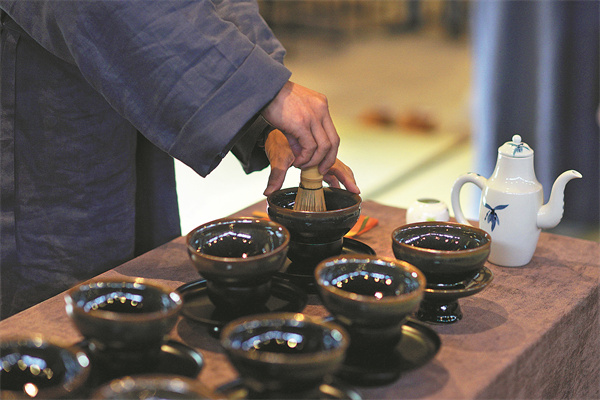
Originating at Jingshan Temple during the Tang Dynasty and reaching its zenith in the Song Dynasty, the Jingshan Tea Ceremony is a cherished tradition. This ceremonial practice blends Zen Buddhism with tea rituals, emphasizing mindfulness and spiritual connection. The ceremony involves a series of formal procedures, including welcoming guests, burning incense, paying tribute, and preparing and drinking tea.
A central element of the ceremony is the "dian cha" tea-making technique, which involves whisking powdered tea with hot water. This method, popular during the Song Dynasty, is considered a precursor to the Japanese tea ceremony. The Jingshan Tea Ceremony reflects the refined lifestyle of the scholars and government officials of the Song Dynasty, who would savor a single cup of tea in silence for hours, achieving a state of profound mindfulness.
Today, the Jingshan Tea Ceremony is celebrated as a national intangible cultural heritage and continues to be practiced at Jingshan Temple. It serves as a platform for cultural exchange, drawing visitors and scholars from around the world to experience its enduring legacy.
Tourism
Jingshan Temple and its surrounding village have become a sought-after tourist destination, offering a unique combination of natural beauty, cultural heritage, and spiritual tranquility. The picturesque Jingshan village, with its terraced tea fields and moss-covered stone paths, provides a charming rural setting for exploring the temple and its traditions.
Visitors can participate in a variety of activities, including tea-tasting sessions, tea preparation workshops, and immersive experiences in the Jingshan Tea Ceremony. The village also offers homestays and cultural classes, where visitors can learn about the history and significance of Jingshan tea and its rituals.
The temple and village attract city dwellers from nearby cities like Shanghai and Nanjing, as well as international visitors eager to explore China's rich tea culture and Buddhist heritage. Tea cultural festivals and ceremonies held at inns and cultural centers further enhance the visitor experience.








